
Your Questions, Answered.
Renewable energy projects are becoming part of the conversation in Highland County. Whether you support them, have questions, or are still undecided, we want to make sure you have the facts.

Quick Facts
-
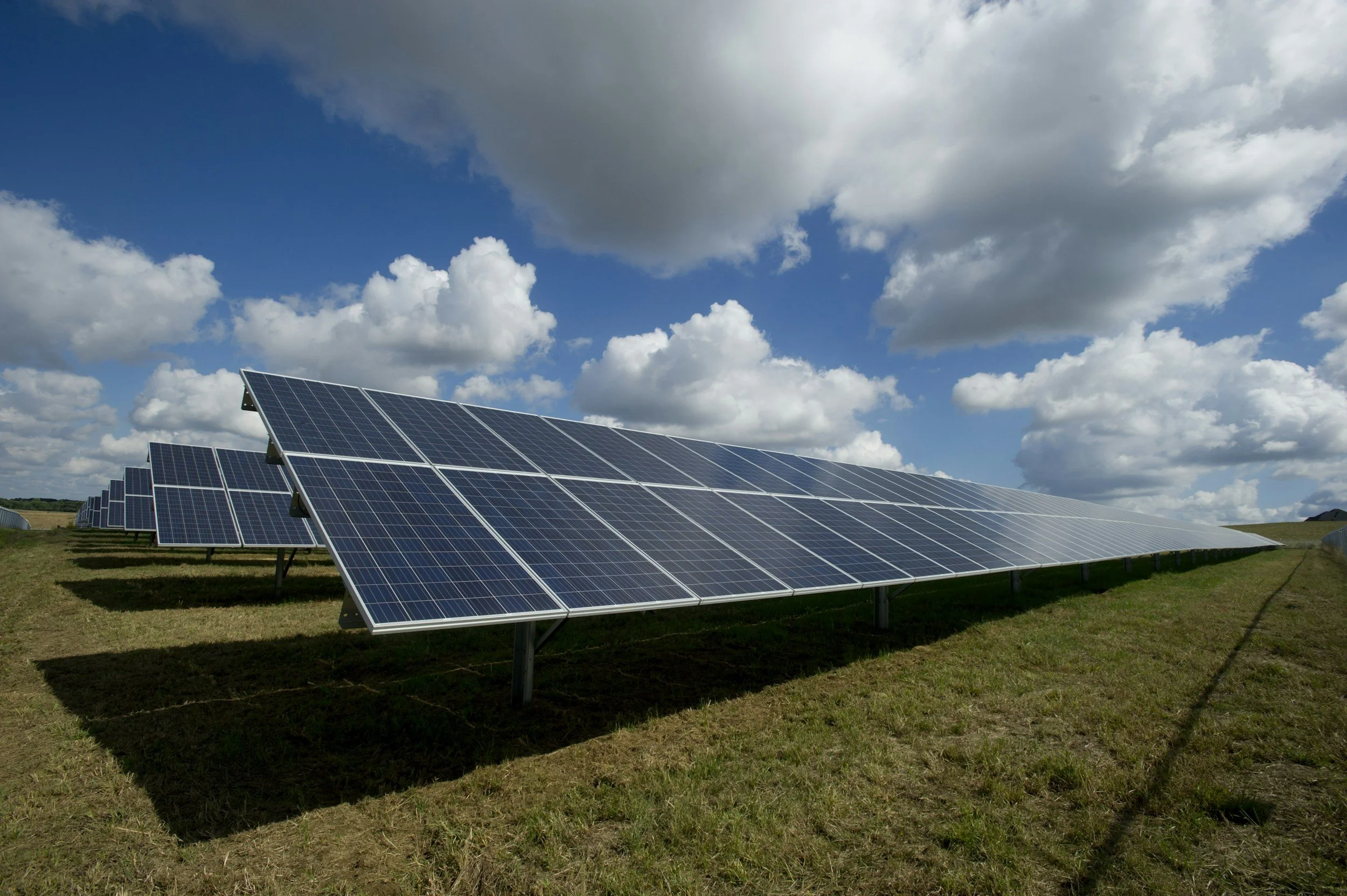
Solar energy, is often hailed as the "cleanest and most abundant renewable energy source available.” The process of converting sunlight into electrical energy using solar panels is known as photovoltaics. It works like this:
Sunlight radiates to Earth and onto a solar panel, the energy is absorbed.
Solar panels are made of photovoltaic cells, each producing one to two watts of power.
The cells are made of semiconductor material with negative and positive receptors, like a battery.
When sunlight hits the cells, it releases electrons from the semiconductors, creating a current.
Electricity is collected through both sides of the cell and flows out.
The amount of electricity generated is dependent on how many cells are in each panel.
-
Although you may come across misleading videos, any noise created by a solar site is no louder than a low buzz and is nearly inaudible from the project boundary.
-
A utility-scale solar project is a large solar farm that generates electricity and feeds it into the power grid, supplying homes, businesses, and industries with clean, affordable energy.
-
Ohio is part of the PJM Interconnection, a large regional electric grid that manages electricity flow across multiple states to keep power reliable and affordable. The grid balances supply and demand, making sure enough electricity is available when people need it. Adding utility-scale solar projects provides extra power during the day, reducing strain on the grid during that high-demand time.
Solar energy also diversifies our energy mix, making the grid more resilient against fuel price spikes and power plant outages. More local solar power means a stronger, more stable, and cost-effective electric system. -
Project developers connect with land owners who are interested in leasing their private property. Once a site is chosen, the project goes through a state approval process of environmental reviews and community input in which local government and residents can provide feedback. If approved by the Ohio Power Siting Board, construction begins, and the project is connected to the power grid to provide clean energy to homes and businesses.
-
Solar grazing is the practice of using sheep to manage vegetation around utility-scale solar panels, reducing the need for mowing and herbicides. It lowers emissions and improves soil health while also providing farmers with an additional income source. Sheep are ideal because they aren’t large or strong enough to damage equipment, and solar panels offer them shade and protection. Secure fencing and regular monitoring keep the animals safe from predators.
-
Rooftop and parking lot installations are constrained by the available surface area, which restricts the number of solar panels that can be installed. This limitation results in lower energy production compared to utility-scale solar farms that occupy larger land areas. In addition many buildings can’t support the additional weight of solar panels and lack the appropriate rooftop angles for optimal sunlight. Parking lot installations require building support structures, which are costly.
-
Ohio is ideal due to its available open land, strong existing electrical infrastructure, and growing energy demand. The county receives ample sunlight to support efficient solar energy production while allowing farmers and landowners to earn stable income by leasing their land for solar projects. Additionally, these projects bring new jobs and tax revenue, supporting schools, roads, and community services without straining local resources.
Common Misconceptions
-
Solar farms actually protect wildlife by creating safe habitats where plants and animals can thrive undisturbed by harmful pesticides and tilling. Many solar projects even plant native vegetation to encourage a diverse ecosystem!
-
Think of solar energy as a kind of crop. Harvesting the sun provides farmers with steady, long-term income and a way to preserve their land. For some, it is the only way they can afford to keep operations for their kids and grandkids.
-
Solar farms can actually help preserve land by allowing the soil to regenerate without disruption from heavy plowing and chemicals. This reduces erosion and increases nutrients so the land can be restored to a healthy state for future use.
-
Kilowatt-hours per square meter (kWh/m2) is how we measure the amount of energy that hits a specific surface over a period of time. Sunlight in Ohio averages an impressive 4.65/kWh/m2 per day, which creates a lot of potential for solar as an energy resource.
-
Utility-scale solar projects can actually help to lower utility costs by adding more power to Ohio's electric grid and reducing our reliance on expensive fossil fuels.
-
Solar panels are safe and contain only materials in “solid state” form, just like the electronic components in laptops and smartphones. They do not contain liquids that can leak into the soil. Solar panels are not fragile. They are made mostly of aluminum and shatter-resistant glass and similar to a car window, they may crack but rarely shatter.
-
Solar projects don't lower property values and, in some cases, can even increase them by improving local infrastructure and tax revenue. Since solar farms are quiet, low-maintenance, and screened with vegetation, they have little impact on neighboring properties.
-
Solar projects are developed strictly within the boundaries of land that has been voluntarily leased or purchased. They never run through any part of adjacent properties without permission from the landowner.
-
The State of Ohio holds solar developers accountable for decommissioning sites and restoring the land at their end-of-life. The process must start within a year of project completion and costs nothing to the community or property owners.